If you can see far away clearly but reading your phone, menu, or laptop has become harder, you may have heard someone recommend progressive lenses.
At first, progressive lenses can sound confusing. But the idea is actually simple: they help you see at different distances with one pair of glasses.
Instead of switching between distance glasses and reading glasses, progressive lenses let you use one pair for daily life, work, driving, computer time, and reading.
What Are Progressive Lenses?
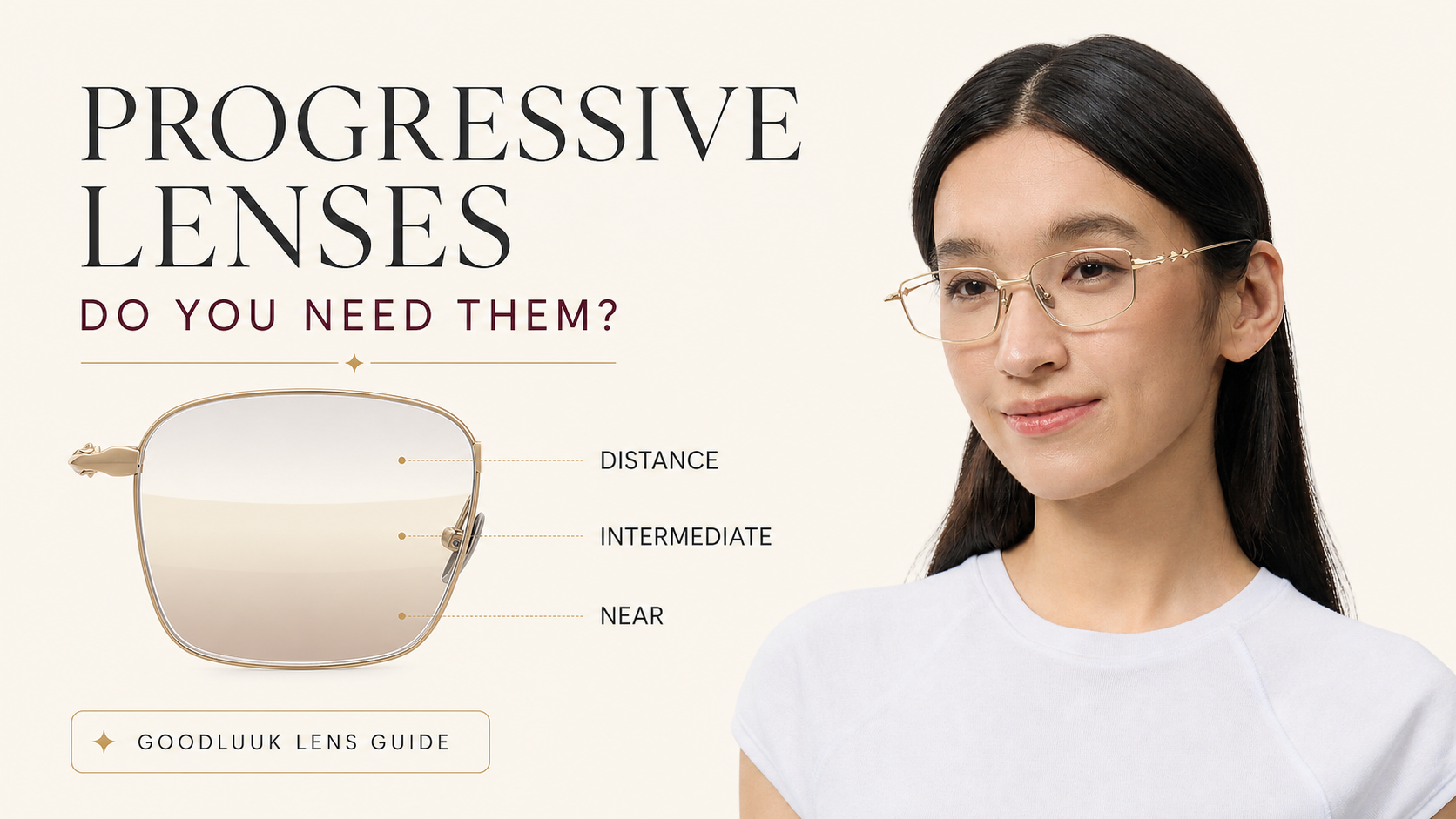
Progressive lenses are glasses lenses that help you see far, middle, and near distances in one lens.
The top part of the lens is usually used for looking far away. The middle part helps with things like computer screens or dashboards. The lower part helps with reading, phone use, and close-up tasks.
The best part is that progressive lenses do not have a visible line across the lens. From the outside, they look like regular glasses.
Who Usually Needs Progressive Lenses?
Progressive lenses are often helpful for people who need support for both distance and reading.
You may need them if:
- You hold your phone farther away to read clearly
- Small text looks blurry up close
- You need to take off your distance glasses to read
- You switch between different pairs of glasses during the day
- Your prescription has an ADD number
- You want one pair of glasses for work, driving, and reading
If this sounds familiar, progressive lenses may make your daily routine easier.
What Does ADD Mean on Your Prescription?
If your prescription has a section called ADD, it usually means you need extra help for reading or close-up vision.
This does not mean anything is wrong. It is very common, especially as people get older.
If your prescription includes ADD, your eye doctor may be telling you that your eyes need different support for distance and near vision. That is one of the main reasons people choose progressive lenses.
Progressive Lenses vs Reading Glasses
Reading glasses help you see things up close. They are useful for books, menus, phones, and small text.
But reading glasses are not designed for everything. If you look far away while wearing reading glasses, distance vision may feel blurry.
Progressive lenses are different. They help with more than one distance, so you can look far away, use a computer, and read without changing glasses.
If you only need help reading occasionally, reading glasses may be enough. If you need help at several distances during the day, progressive lenses may be more convenient.
Progressive Lenses vs Bifocals
Bifocal lenses usually have two main areas: one for distance and one for reading. Many bifocals also have a visible line on the lens.
Progressive lenses give a smoother change between distances and do not have that visible line.
This is one reason many people prefer progressive lenses. They look more natural and feel more modern for everyday wear.
Are Progressive Lenses Good for Computer Work?
Progressive lenses can help with computer work, but the fit and lens design matter.
If you spend many hours at a desk, your glasses should support the distance between your eyes and your screen. For many people, that distance is not as close as reading a book and not as far as driving.
This is why the middle part of progressive lenses is important. It helps with computer screens, dashboards, and other mid-distance tasks.
If your main need is long hours of computer work, tell the optical team before ordering. They can help you choose the right lens option.
Do Progressive Lenses Take Time to Get Used To?
Yes, they can take a little time to get used to.
Since different parts of the lens help with different distances, you may need to learn where to look through the lens.
For example, you may look through the top area for distance, the middle area for your computer, and the lower area for reading.
Most people adjust with daily wear. The key is to wear them consistently instead of switching back and forth too often.
Why Frame Choice Matters for Progressive Lenses
Not every frame is ideal for progressive lenses.
Progressive lenses need enough lens height to include distance, middle, and reading areas. If the frame is too shallow from top to bottom, there may not be enough space for all viewing areas.
This does not mean you need a huge frame. A medium-sized frame with good lens height is usually a better choice than a very small or very narrow frame.
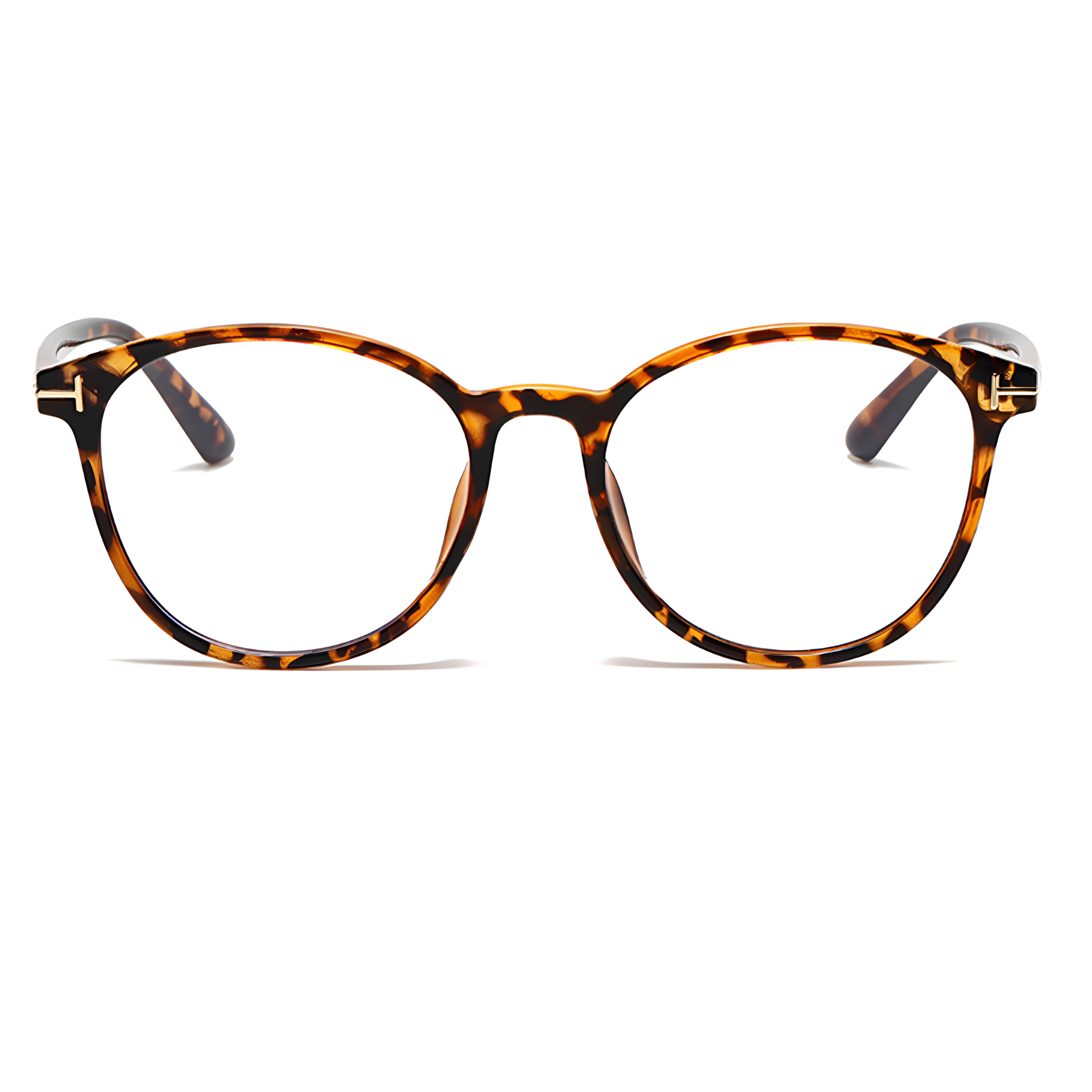
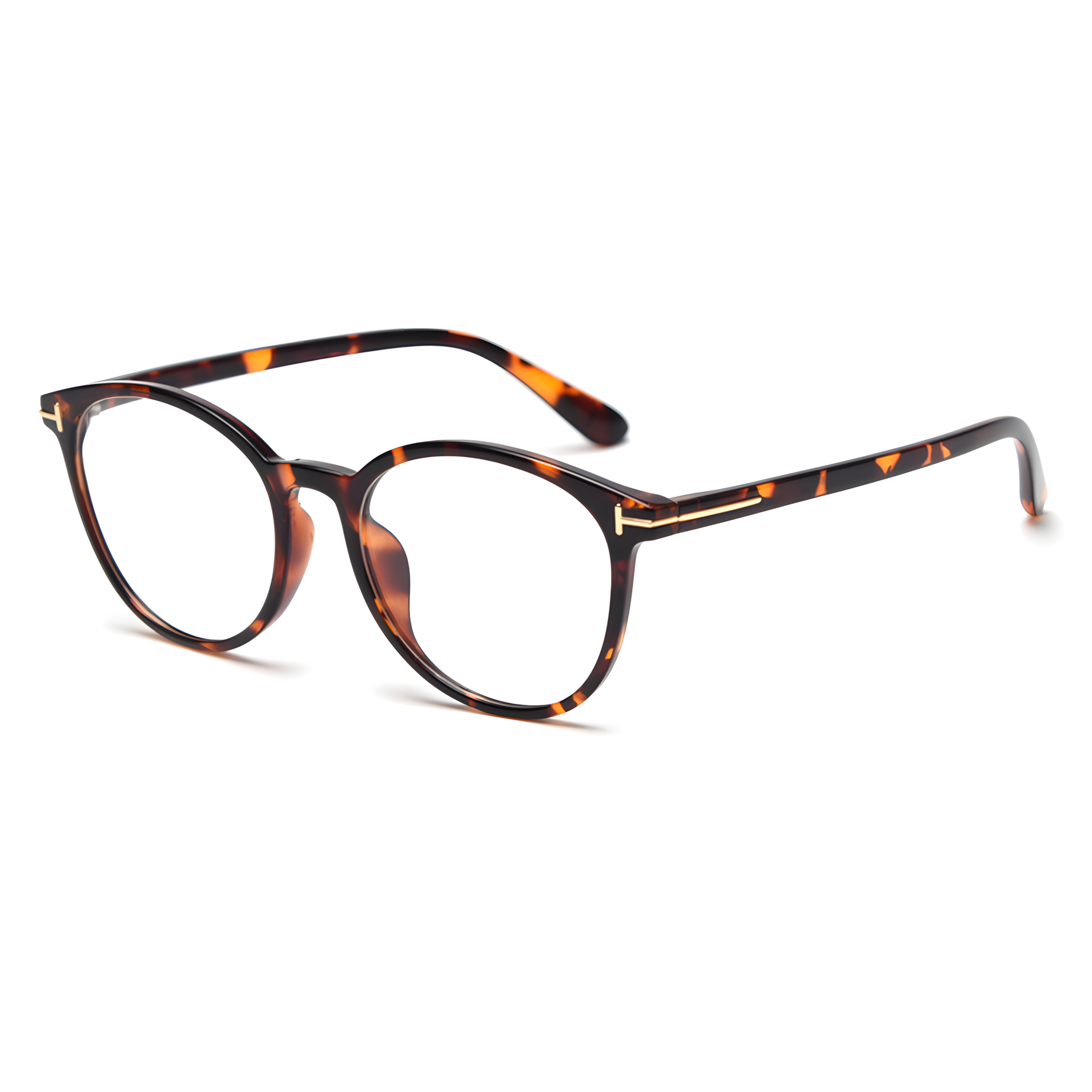
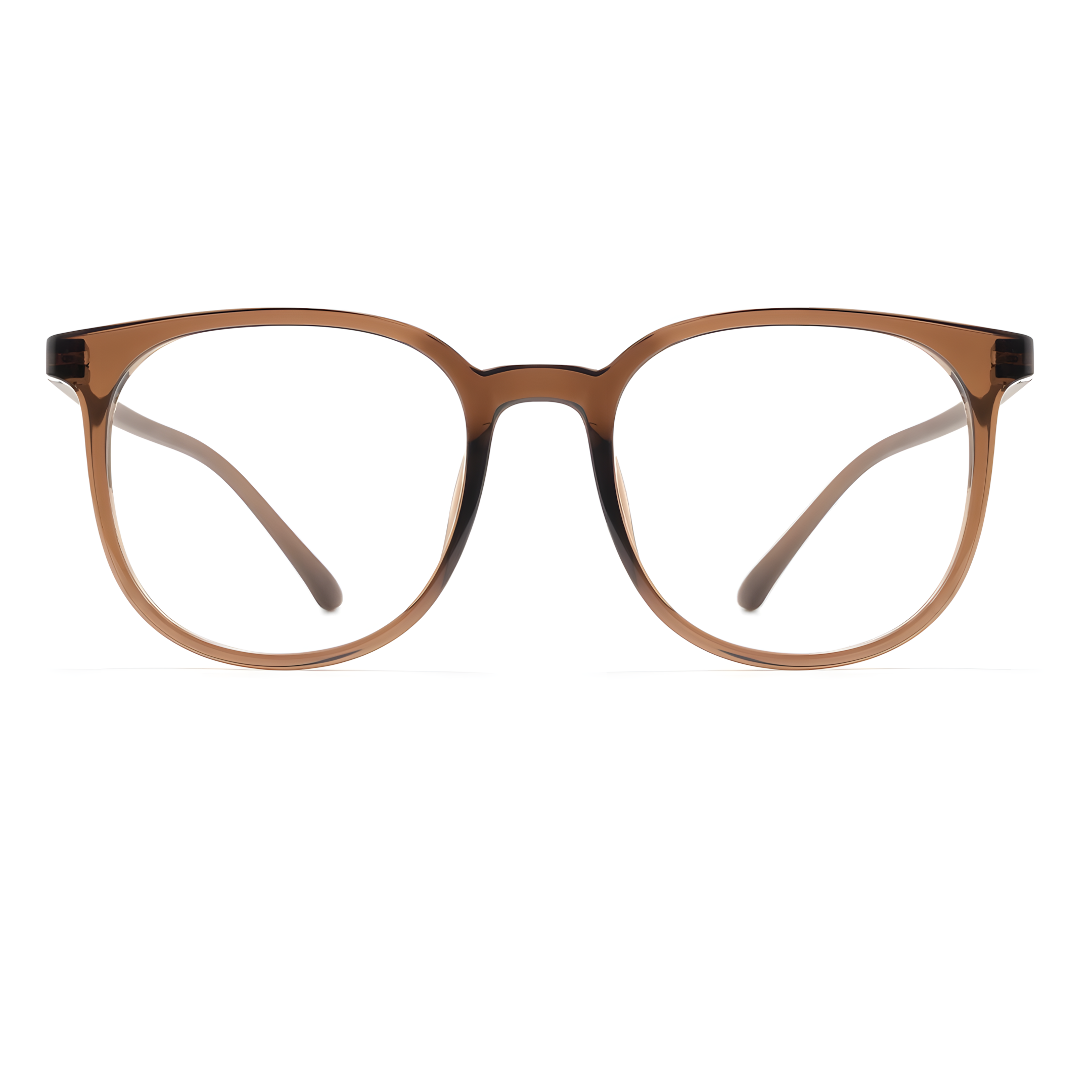
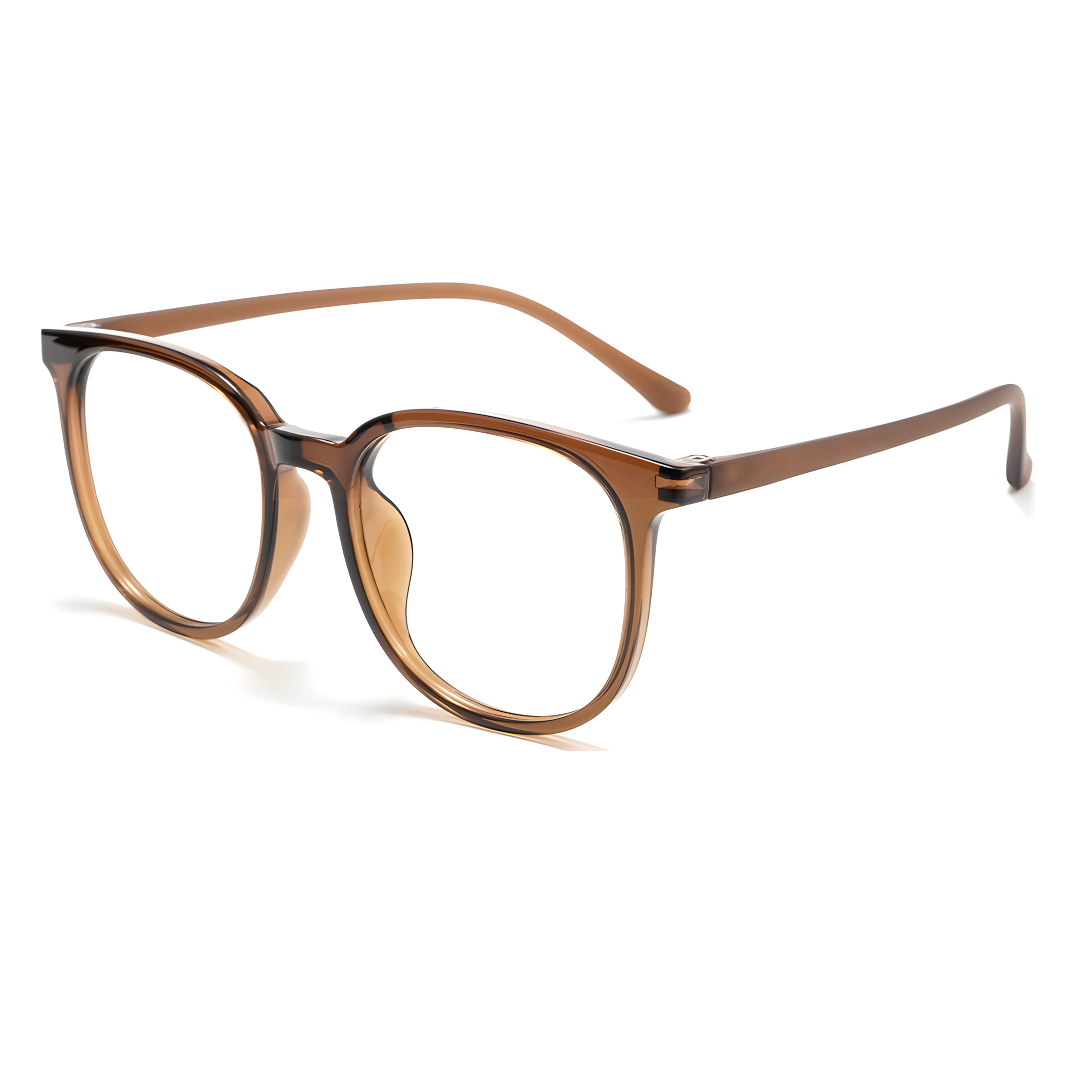
For everyday progressive glasses, rectangle and square frames are often practical choices because they usually offer a balanced shape and enough lens space.
Are Progressive Lenses Good for Low Bridge Fit Glasses?
Yes, progressive lenses can work well with low bridge fit and Asian fit glasses, but the frame fit needs to be right.
If the glasses slide down your nose, the viewing areas may not stay in the right place. That can make progressive lenses feel harder to use.
For low nose bridge wearers, a stable frame is very important. The glasses should sit comfortably, stay in place, and not rest too low on the face.
If regular frames slide down or touch your cheeks, choose a frame designed for a better low bridge fit before adding progressive lenses.
Why PD Matters for Progressive Lenses
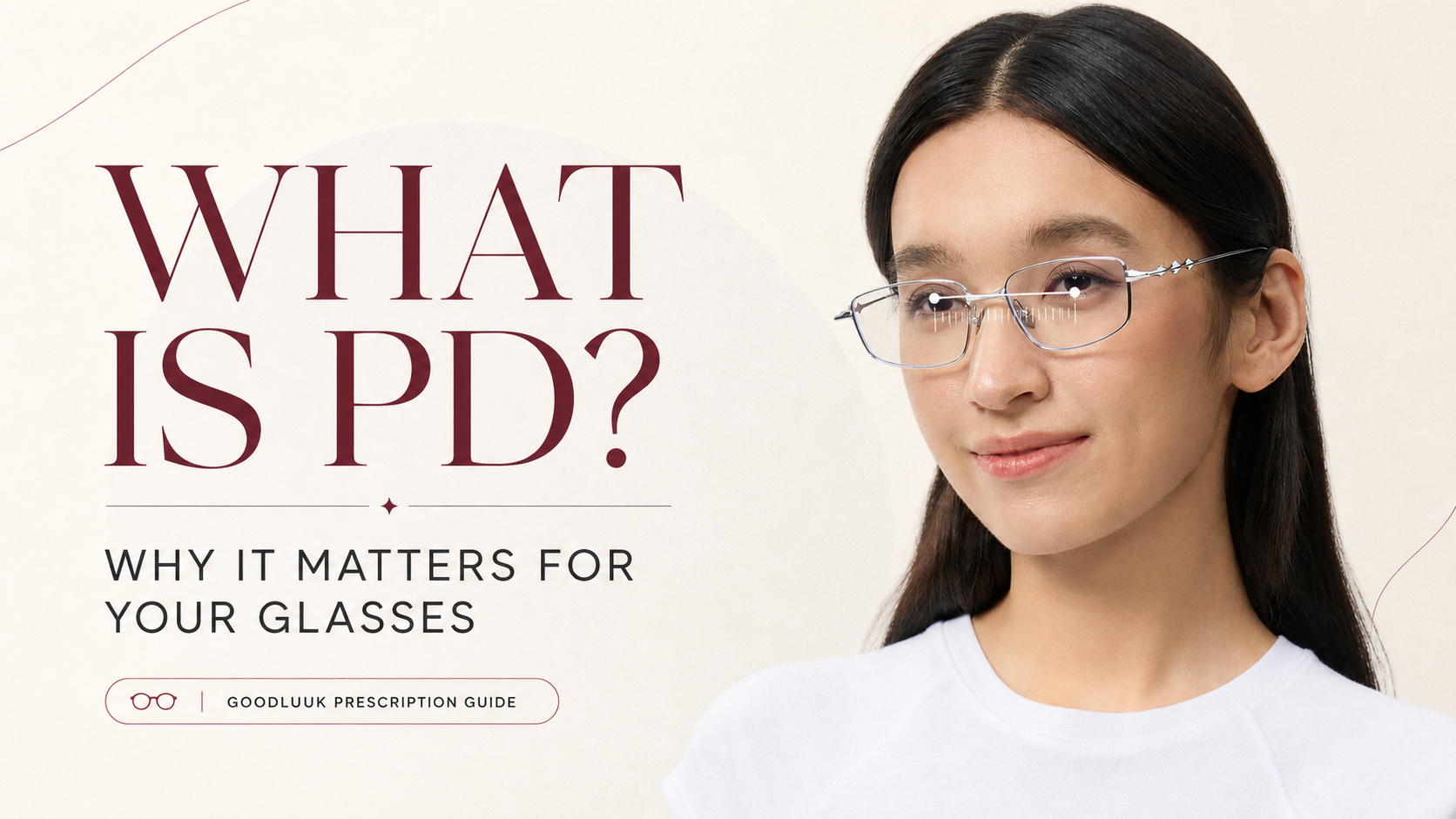
PD means the distance between your pupils.
For progressive lenses, PD is important because the lens needs to line up correctly with your eyes. If the measurement is off, the glasses may feel uncomfortable or harder to use.
If you are ordering progressive lenses online, make sure your PD is accurate. If you are not sure, ask your eye doctor or optical shop for help.
Are Progressive Lenses Worth It?
Progressive lenses may be worth it if you want one pair of glasses for most daily situations.
They are especially useful if you regularly switch between:
- Driving
- Computer work
- Reading
- Phone use
- Shopping
- Working at a desk
If you only need reading help once in a while, simple reading glasses may be enough. But if you want one pair that works throughout the day, progressive lenses can be a smart choice.
Who May Not Need Progressive Lenses?
Progressive lenses are helpful for many people, but not everyone needs them.
You may not need progressive lenses if:
- You only need glasses for distance
- You only need glasses for reading
- Your prescription does not include ADD
- You prefer separate pairs for different tasks
- You only wear glasses occasionally
The best choice depends on your prescription and your daily routine.
Simple Checklist Before Choosing Progressive Lenses
Before ordering progressive lenses, check these points:
- Your prescription includes an ADD number
- You want help with both distance and near vision
- You use screens, books, phones, or close-up work often
- Your PD measurement is accurate
- Your frame has enough lens height
- Your glasses fit securely and do not slide down
- You are willing to allow a short adjustment period
Best Frame Shapes for Progressive Lenses
For progressive lenses, the best frame is usually not too small and not too oversized.
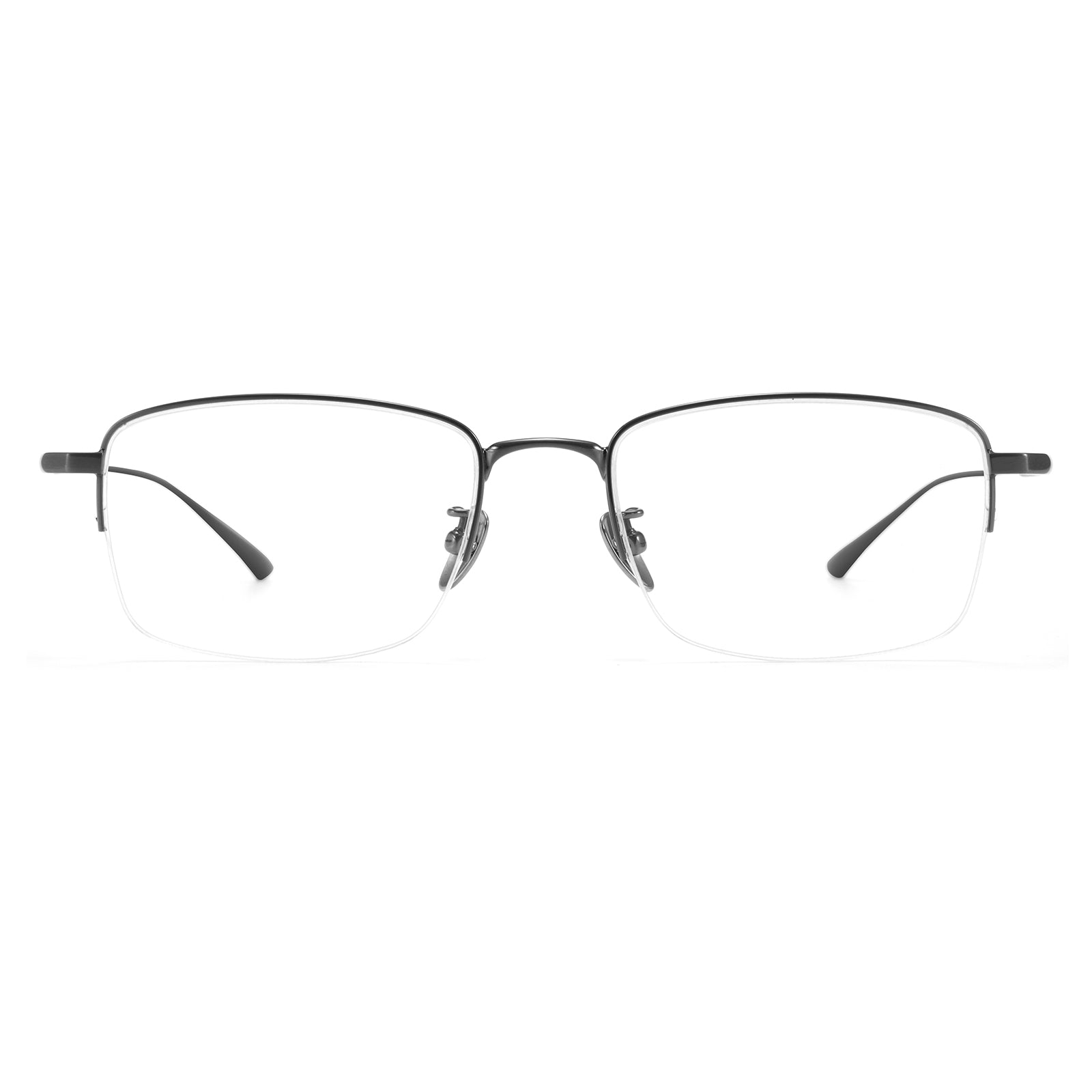
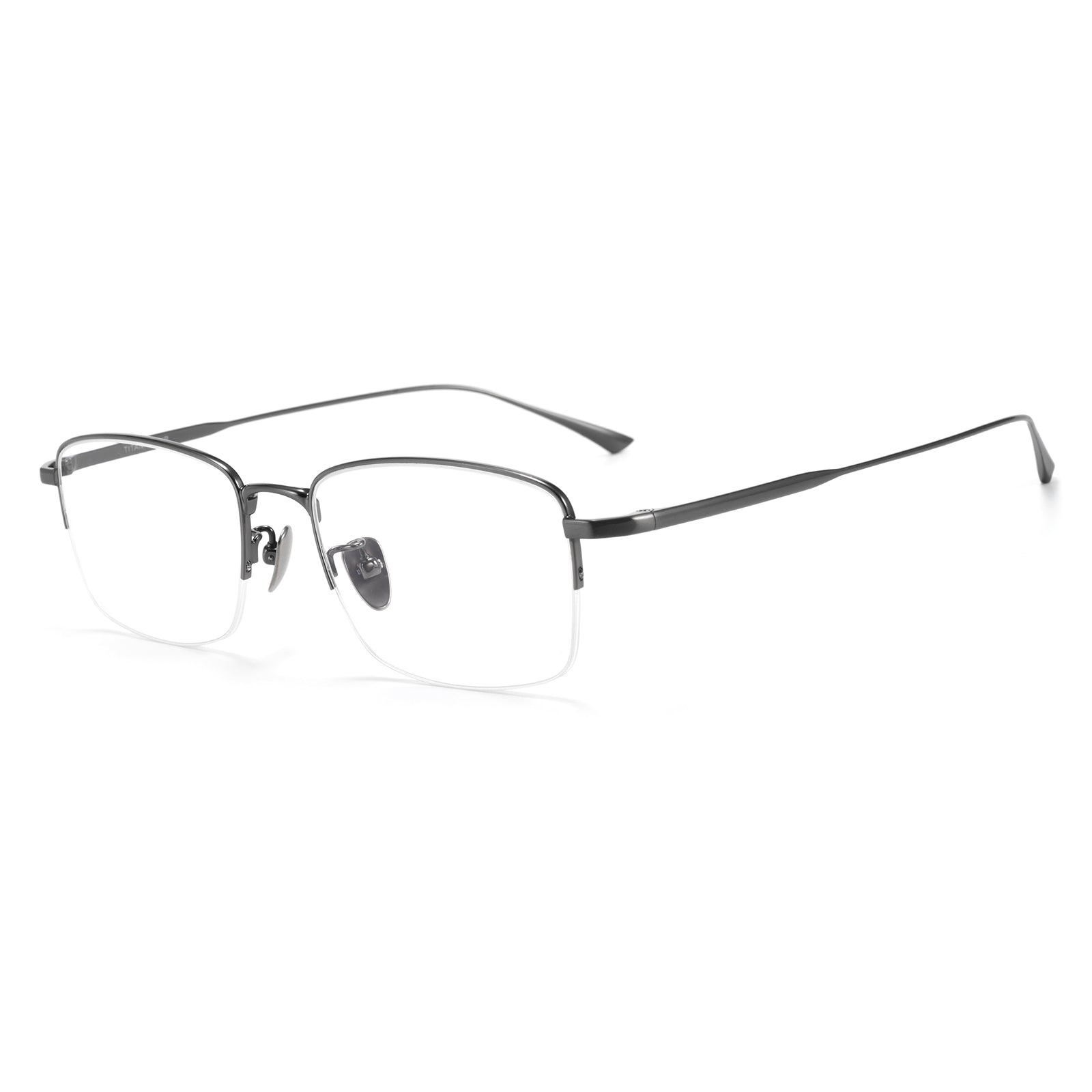
Rectangle glasses are a safe everyday choice because they are clean, balanced, and practical.
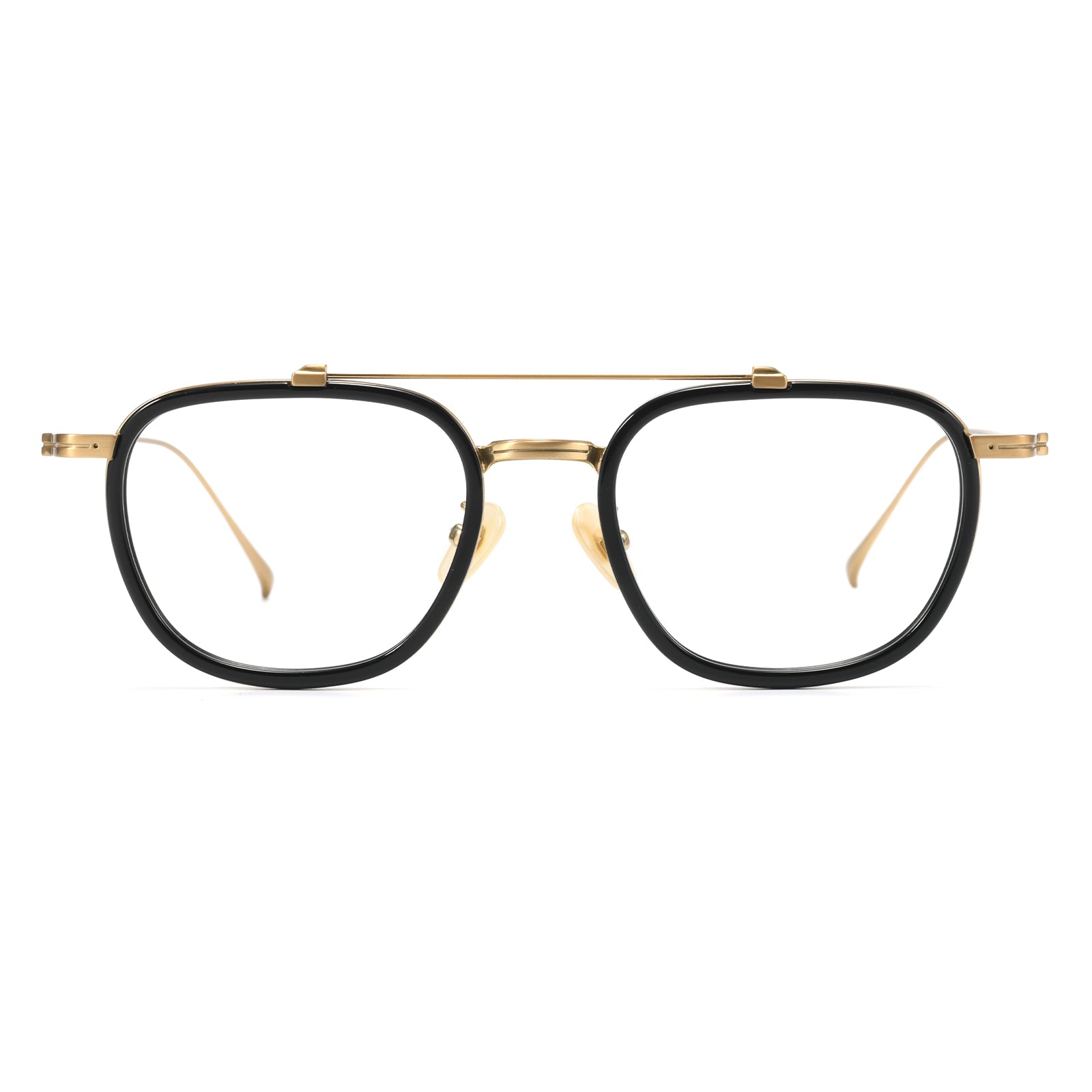
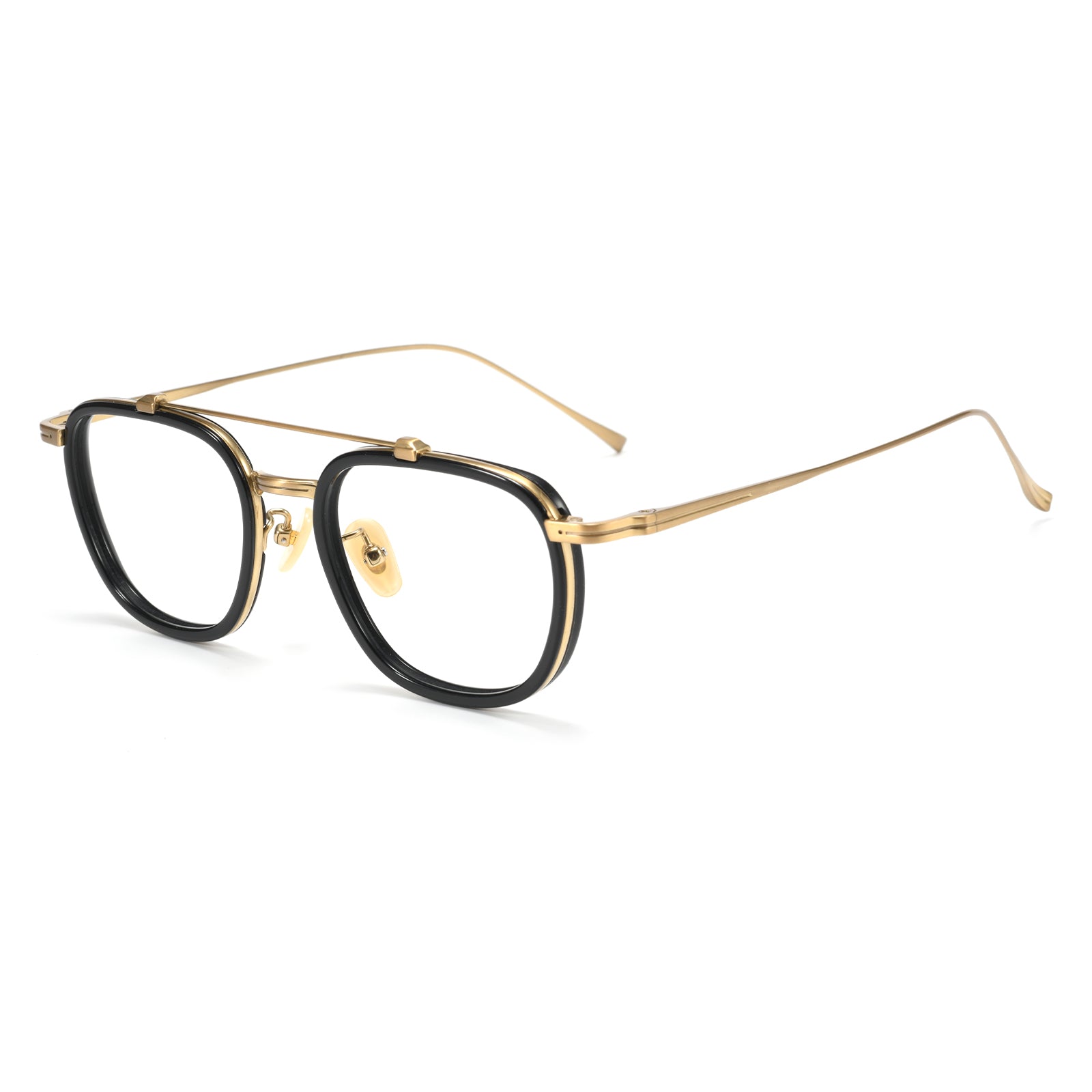
Square glasses can also work well if you want a stronger frame shape and more definition.
Cat eye glasses can be stylish, but make sure the lens height is enough for progressive lenses.
Rimless and semi-rimless glasses may work too, but the shape and size need to be chosen carefully.
- Shop Rectangle Glasses
- Shop Square Glasses
- Shop Cat Eye Glasses
- Shop Semi-Rimless Glasses
- Shop Rimless Glasses
Final Thoughts
Progressive lenses are not as complicated as they sound. They are simply lenses that help you see far, middle, and near distances with one pair of glasses.
They may be a good choice if you read often, use screens, drive, work at a desk, or do not want to switch between different pairs of glasses.
The most important things are your prescription, your PD, and your frame fit. If those are right, progressive lenses can make everyday vision feel easier and more convenient.
If you are not sure whether progressive lenses are right for you, upload your prescription or contact our optical team. We can help you choose the best lens and frame for your daily life.
Prepare for a Progressive Lens Order
Progressive lenses depend on an accurate prescription, PD, fitting height, and a frame that stays in a consistent position.
- Understand PD and why it matters
- Learn what ADD means on your prescription
- Compare GOODLUUK lens options
- Shop prescription-ready frames
Use a current prescription and consult a qualified eye-care professional if you are uncertain about the lens design or measurements you need.
FAQ
What are progressive lenses?
Progressive lenses help you see far, middle, and near distances with one pair of glasses. They do not have a visible line across the lens.
How do I know if I need progressive lenses?
You may need progressive lenses if your prescription has an ADD number or if you need help seeing both far away and up close.
Are progressive lenses good for computer work?
Progressive lenses can help with computer work because they include a middle viewing area. If you spend many hours at a screen, make sure your lens choice matches your daily routine.
Do progressive lenses take time to adjust to?
Yes, some people need a short adjustment period. Wearing them consistently can help your eyes and habits adapt more quickly.
Can progressive lenses work with Asian fit glasses?
Yes. Progressive lenses can work with Asian fit and low bridge fit glasses, but the frame should sit securely and not slide down.
What frame shape is best for progressive lenses?
Rectangle and square frames are often practical choices because they usually offer enough lens height and a balanced everyday shape.