文章: Lens Index & Materials: How to Choose the Right Lenses
Lens Index & Materials: How to Choose the Right Lenses
Understand lens thickness and choose the right option for your prescription, frames, and lifestyle.
What Is Lens Index?
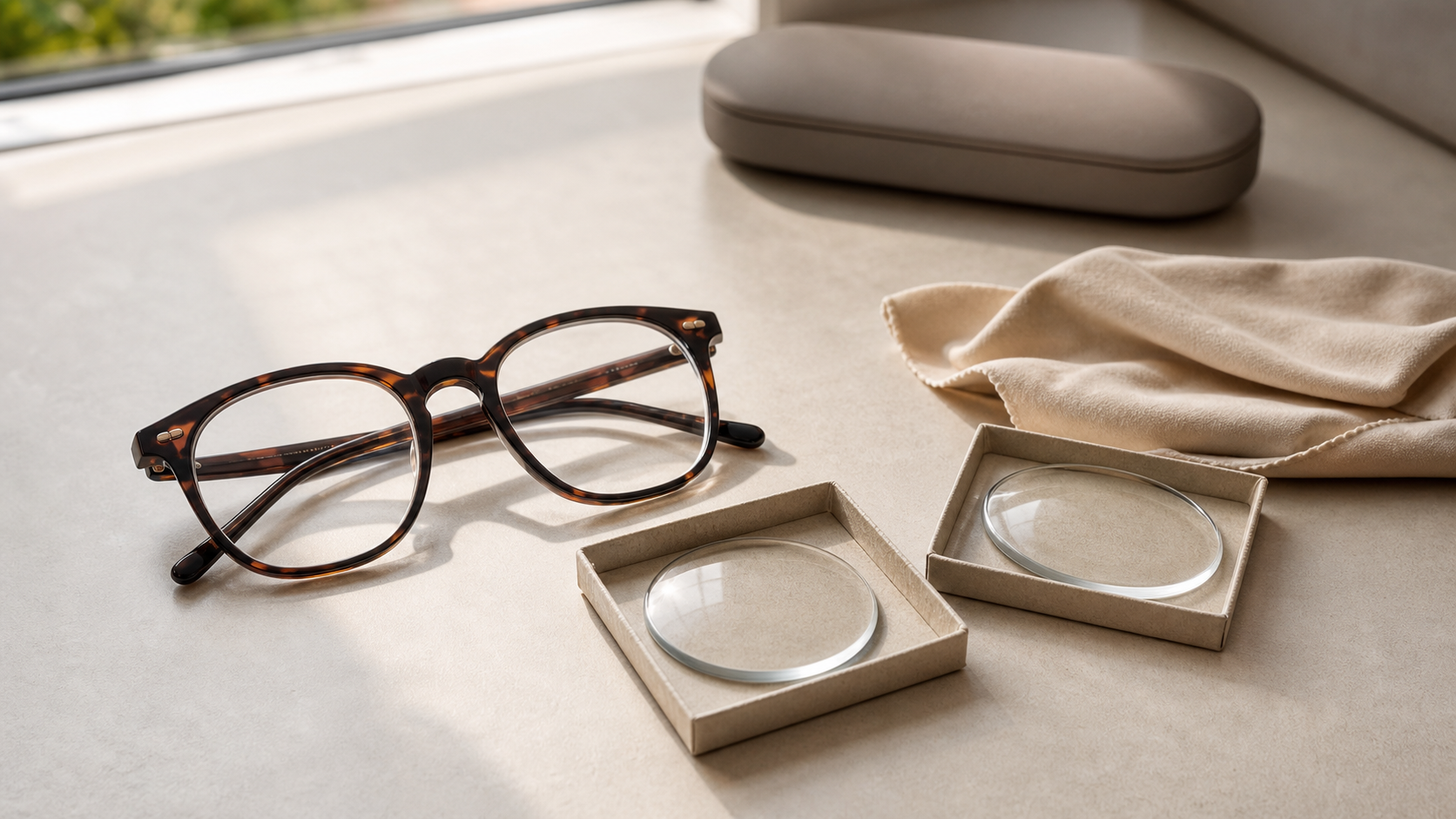
Lens index refers to how efficiently a lens material bends light. A higher-index lens can provide the same vision correction with less material, which may make the finished lenses thinner and lighter.
However, the highest index is not always necessary. The right choice depends on your prescription strength, frame size, comfort preferences, and budget.
1.56 Standard Index
A practical option for mild prescriptions
1.56 lenses are suitable for lower prescriptions where lens thickness is usually less noticeable. They provide reliable everyday vision correction at an accessible price.
Best for:
-
Mild prescriptions
-
Everyday glasses
-
Full-rim frames
-
Customers looking for a simple lens option
1.61 Everyday Index
A balanced choice for daily wear
1.61 lenses are thinner and lighter than standard-index lenses. They offer a good balance of appearance, comfort, and value for many everyday prescriptions.
Best for:
-
Mild to medium prescriptions
-
Daily or extended wear
-
Full-rim and selected rimless frames
-
Customers wanting a thinner everyday lens
1.67 Premium Thin Index
A slimmer option for stronger prescriptions
1.67 lenses use high-index material to reduce visible lens thickness. They are often recommended for customers with stronger prescriptions who want a lighter and more refined appearance.
Best for:
-
Medium to strong prescriptions
-
Customers concerned about thick lens edges
-
Lightweight everyday eyewear
-
Frames that benefit from a slimmer lens profile
1.74 Ultra-Thin Index
Designed for high prescriptions
1.74 lenses are the thinnest option available from GoodLuuk. They are intended for stronger prescriptions where reducing lens thickness and weight is especially important.
Best for:
-
High prescriptions
-
Customers seeking maximum thinness
-
Full-rim frames
-
Long-term daily wear
For lower prescriptions, the difference between 1.74 and a lower index may be limited, so a more practical option may be recommended.
How Frame Size Affects Lens Thickness
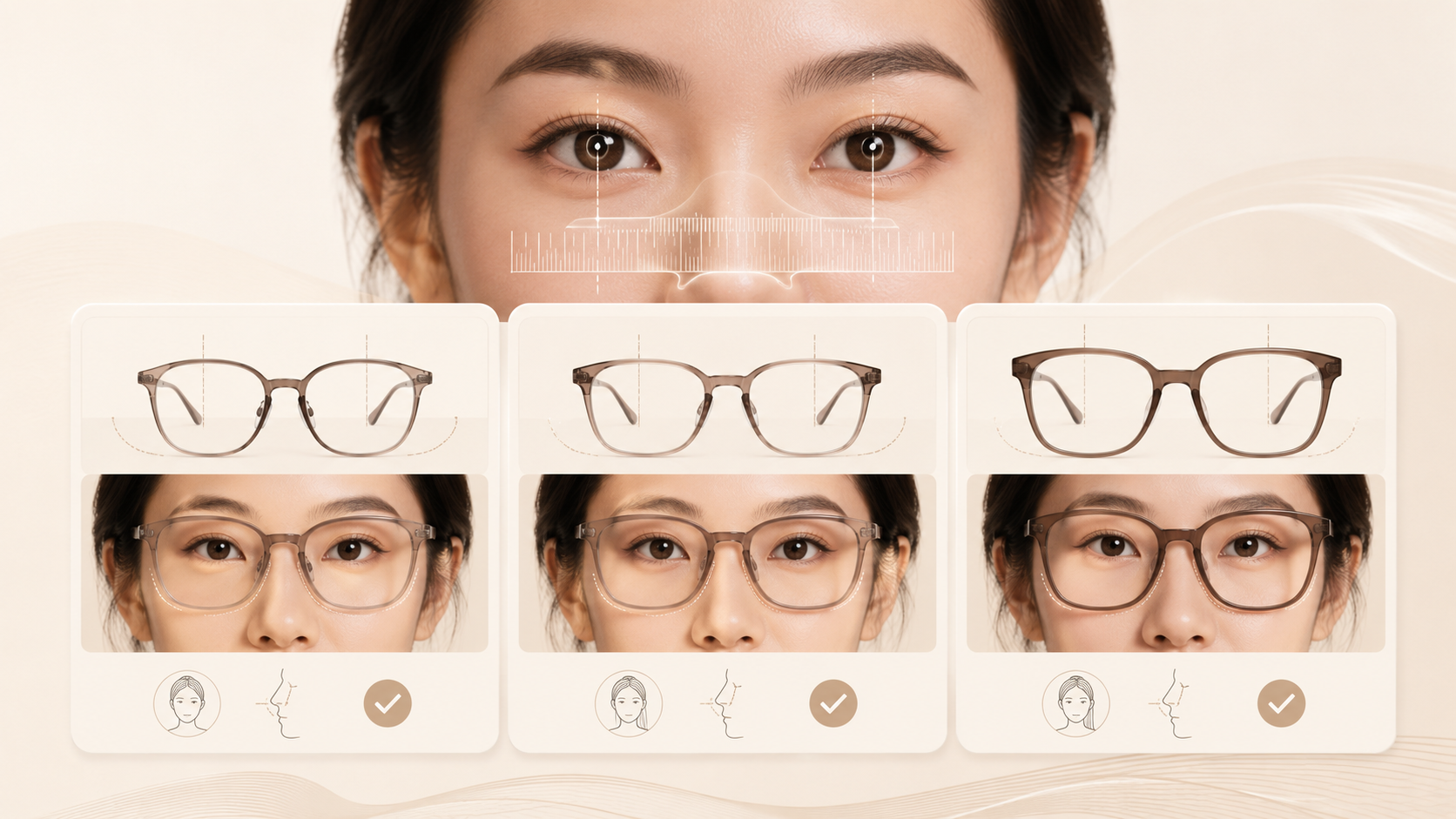
Lens index is not the only factor that affects thickness. Large or oversized frames require more lens material and may produce thicker edges, especially with stronger prescriptions.
Smaller and more rounded frames can help reduce lens thickness and create a lighter, more balanced result.
Which Lens Index Should You Choose?
As a simple guide:
-
1.56: Mild prescriptions and practical everyday use
-
1.61: Balanced thinness, comfort, and value
-
1.67: Stronger prescriptions requiring a slimmer lens
-
1.74: High prescriptions where maximum thinness is preferred
Your final lens thickness also depends on your SPH, CYL, pupillary distance, frame size, and lens shape. When you are unsure, upload your prescription and the GoodLuuk team can help you select a suitable lens index.
Featured Image Alt Text
Comparison of 1.56, 1.61, 1.67, and 1.74 lens indexes and lens thickness