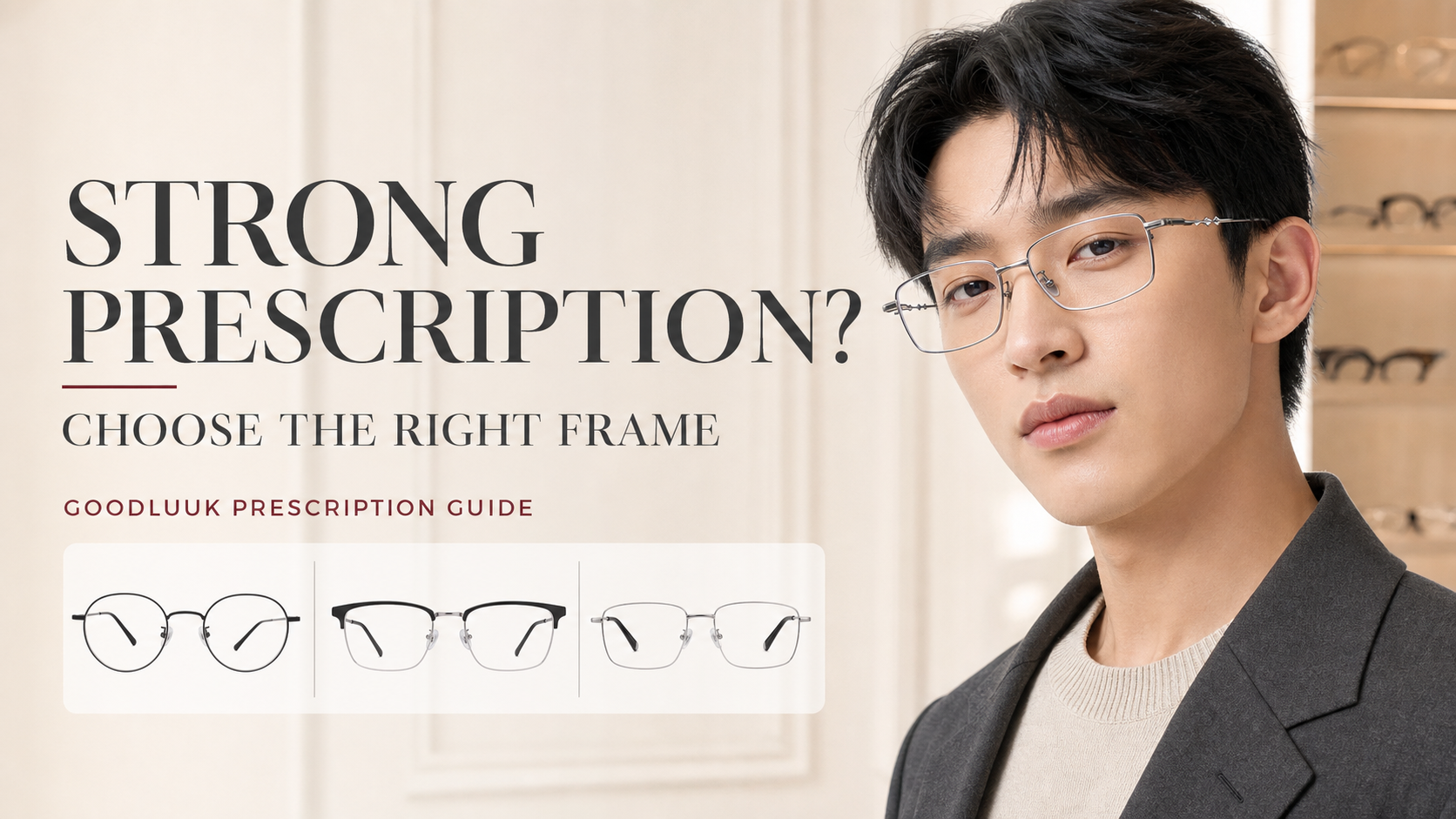
Choosing new glasses should feel simple. But once you start adding prescription lenses, you may see numbers like 1.50, 1.56, 1.60, 1.67, and 1.74.
For many customers, these numbers look confusing at first. The good news is: you do not need to understand optical science to make a smart choice.
In simple terms, lens index tells you how thin your lenses can be.
A higher lens index usually means a thinner lens. This can make your glasses feel lighter, look cleaner, and sit more comfortably on your face—especially if you have a stronger prescription or wear Asian fit / low bridge fit frames.
This guide will explain lens index in everyday language so you can choose the right lenses with more confidence.
What Is Lens Index?
Lens index is a number that describes how efficiently a lens bends light.
That sounds technical, but here is the simple version:
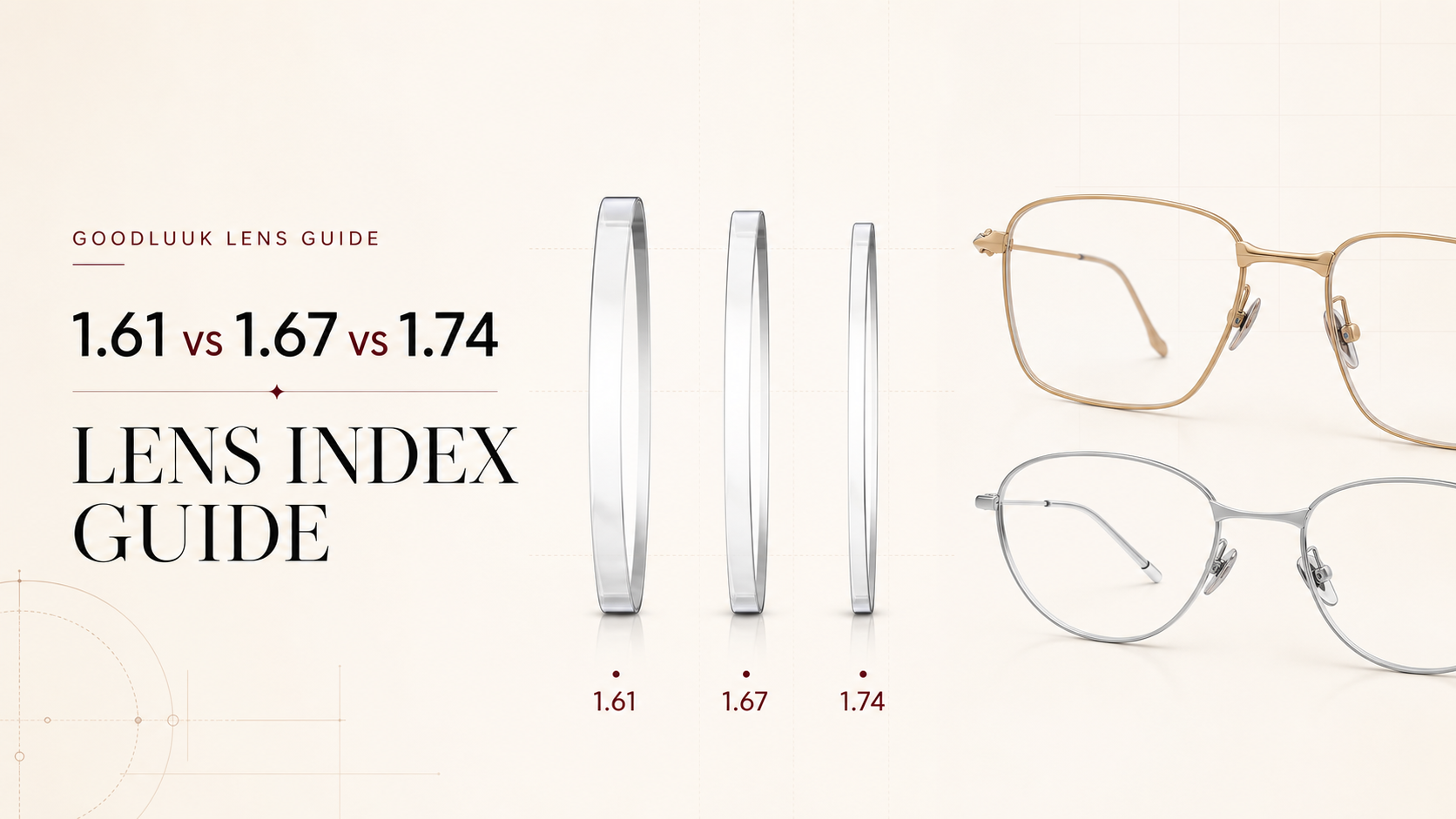
The higher the lens index, the thinner the lens can usually be for the same prescription.
For example, if two people have the same prescription and choose the same frame, a 1.67 lens will usually be thinner than a 1.50 lens.
This matters because strong prescriptions can make lenses look thick, especially near the edges. Choosing the right lens index can help reduce that thickness.
Why Lens Thickness Matters
Lens thickness affects more than appearance.
Thicker lenses may:
- Make glasses feel heavier
- Create more pressure on the nose
- Make the frame look bulkier
- Show thick edges from the side
- Feel less balanced on low bridge noses
- Limit your frame choices
Thinner lenses can help your glasses feel more comfortable and look more natural on your face.
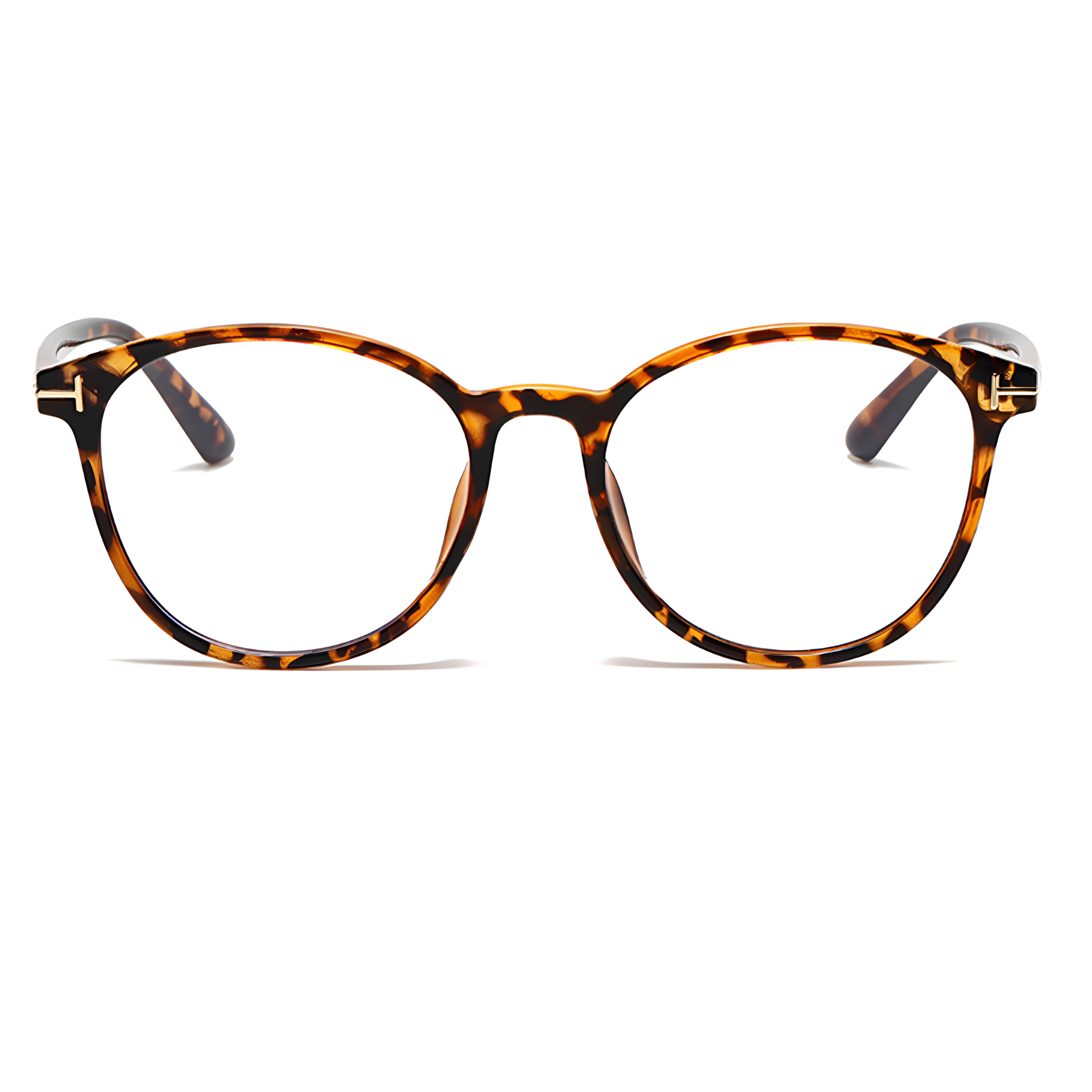
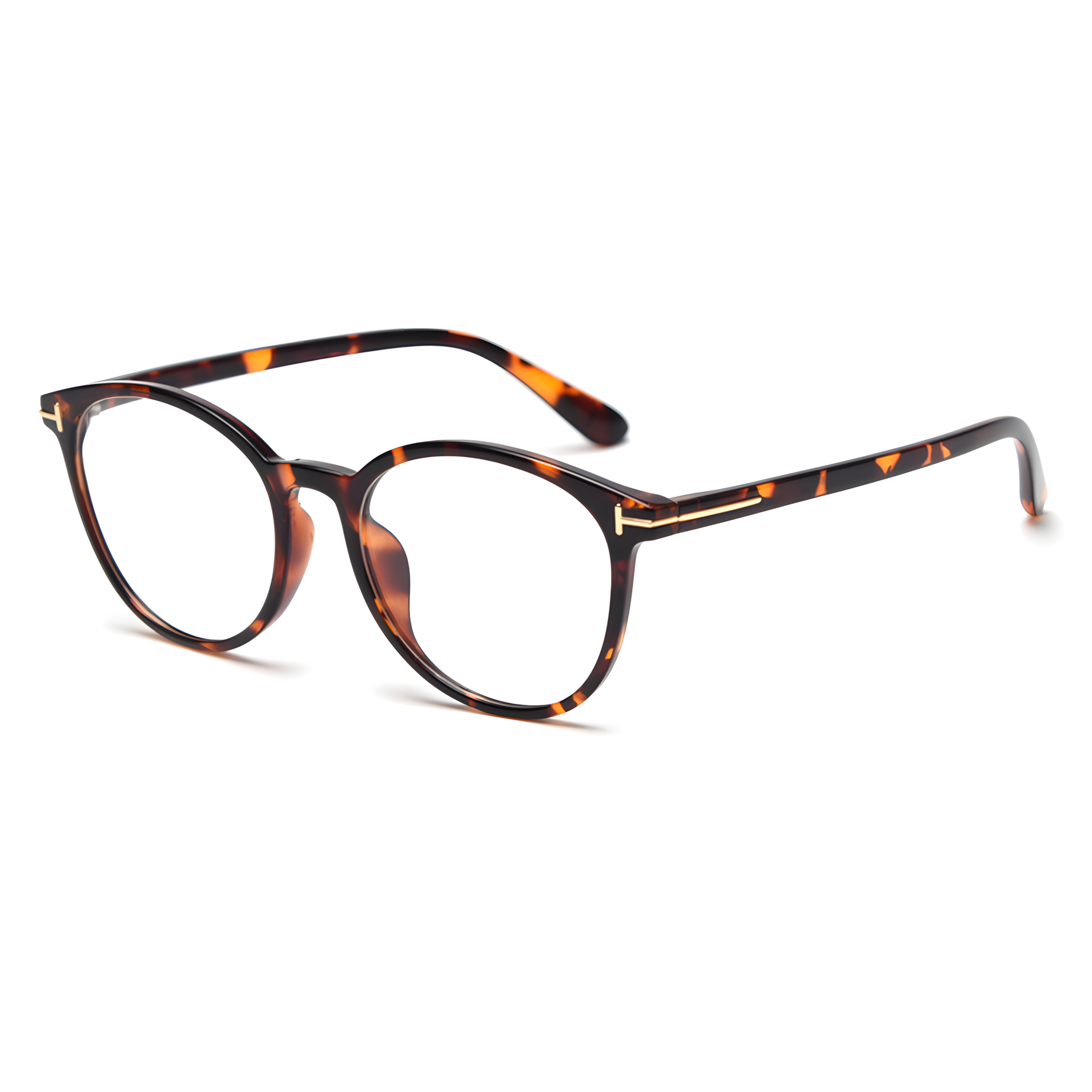
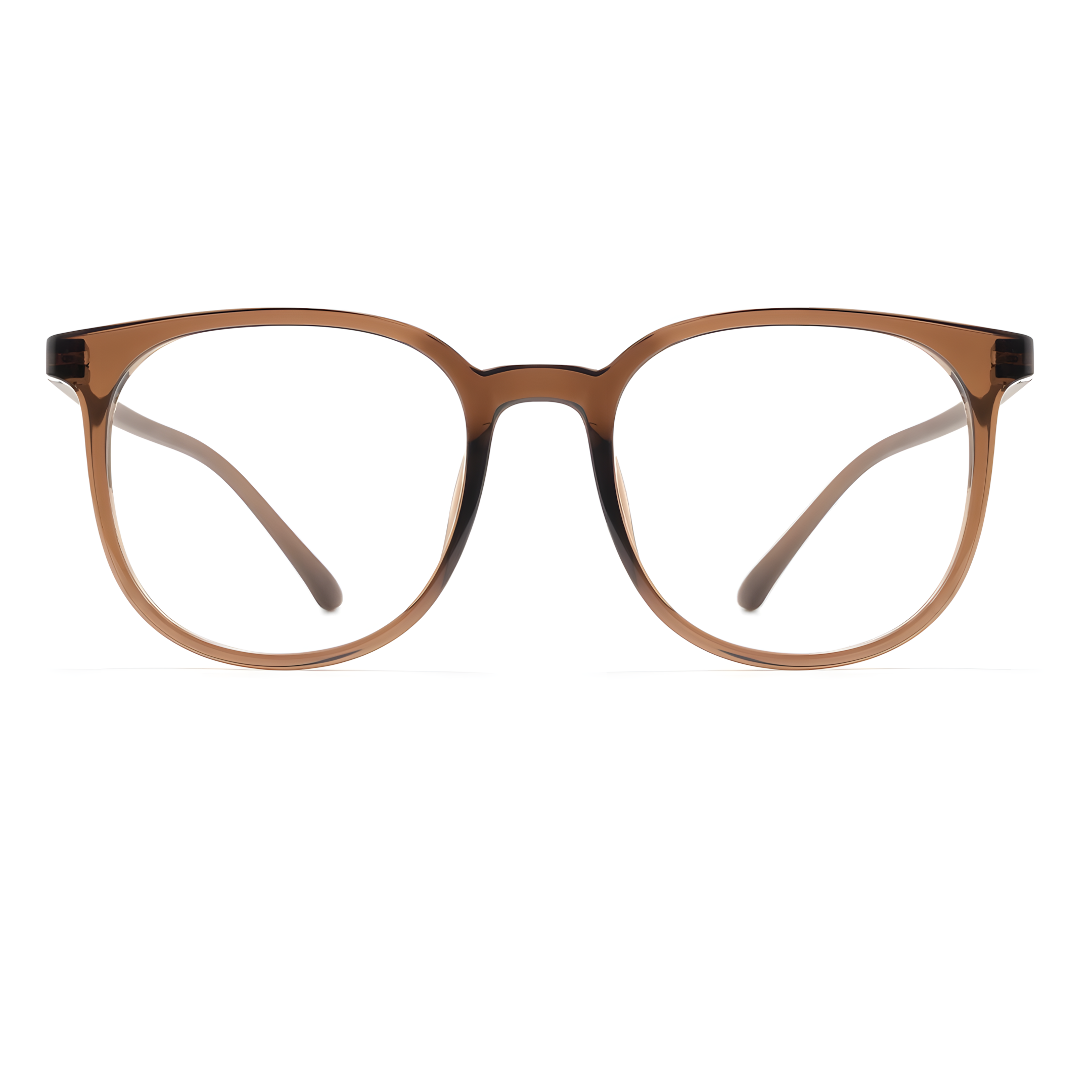
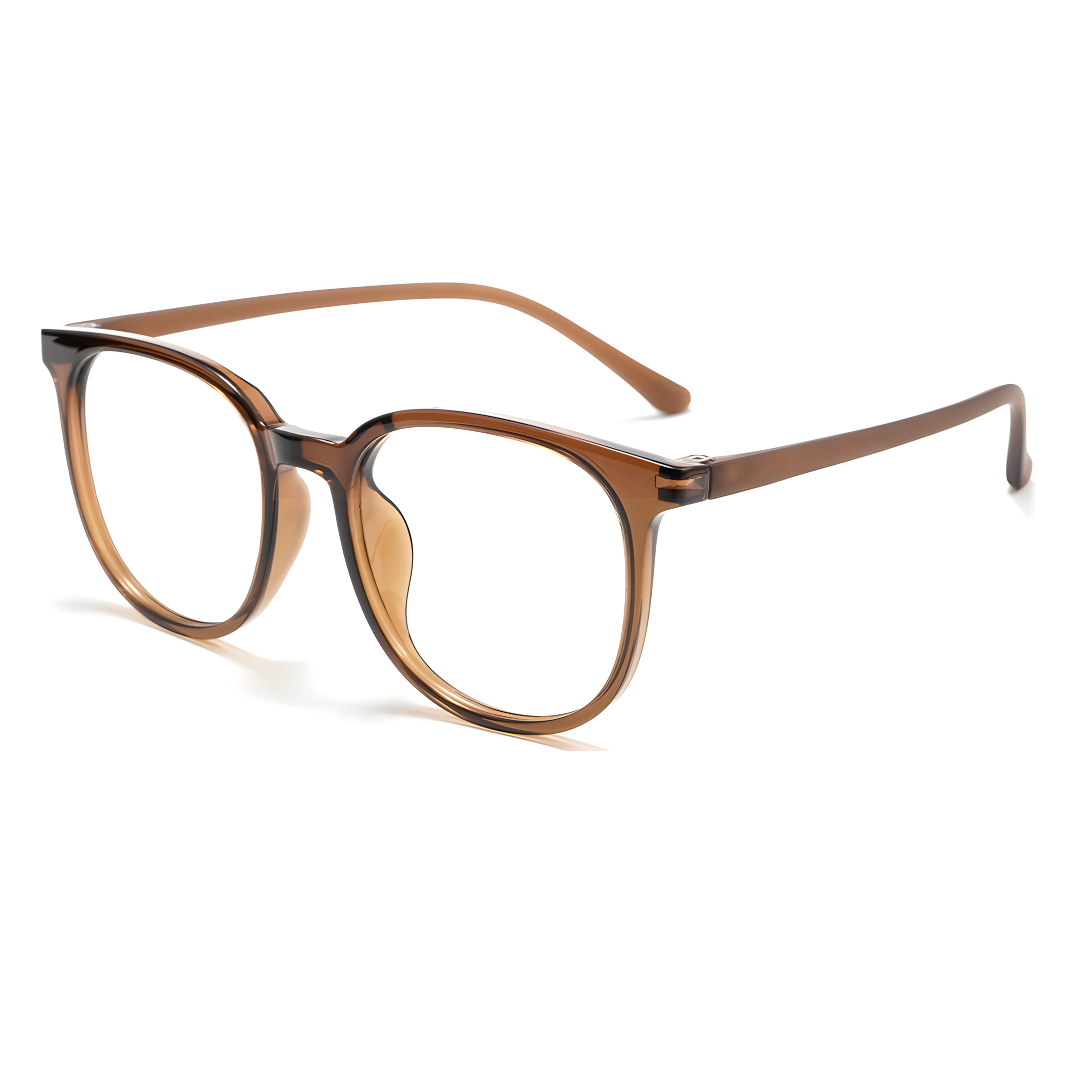
For customers who wear Asian fit glasses, this can be especially helpful. Many Asian fit frames are designed to sit better on lower nose bridges, reduce sliding, and improve overall balance. A thinner lens can support that comfort by reducing front weight.
Common Lens Index Options
Here is a simple breakdown of the most common lens index choices.
1.50 Standard Lens
A 1.50 lens is the basic standard lens option.
It is usually best for lower prescriptions. If your prescription is light, this may be enough for daily wear.
Best for:
- Low prescriptions
- Budget-friendly glasses
- Simple everyday frames
- People who do not need thinner lenses
A 1.50 lens is affordable, but it can look thicker if your prescription is stronger.
1.56 / 1.57 Mid Index Lens
A 1.56 or 1.57 lens is a small upgrade from standard lenses.
It is usually a good choice for people who want something a little thinner and lighter without going into premium lens options.
Best for:
- Mild to moderate prescriptions
- Everyday glasses
- Customers who want better comfort than standard lenses
- Budget-conscious upgrades
This is a practical middle option for many daily glasses.
1.60 Thin Index Lens
A 1.60 lens is a popular balanced choice.
It gives a noticeably thinner look than standard lenses, but it is not as expensive as higher index options like 1.67 or 1.74.
Best for:
- Moderate prescriptions
- Thinner everyday glasses
- Better frame appearance
- Customers who want value and comfort
For many people, 1.60 is the “safe upgrade” when they want their glasses to look slimmer without choosing the highest-priced option.
1.67 High Index Lens
A 1.67 lens is a strong choice for people with higher prescriptions.
If your lenses usually look thick on the edges, 1.67 can help make them look cleaner and lighter.
Best for:
- Stronger prescriptions
- Customers who dislike thick lens edges
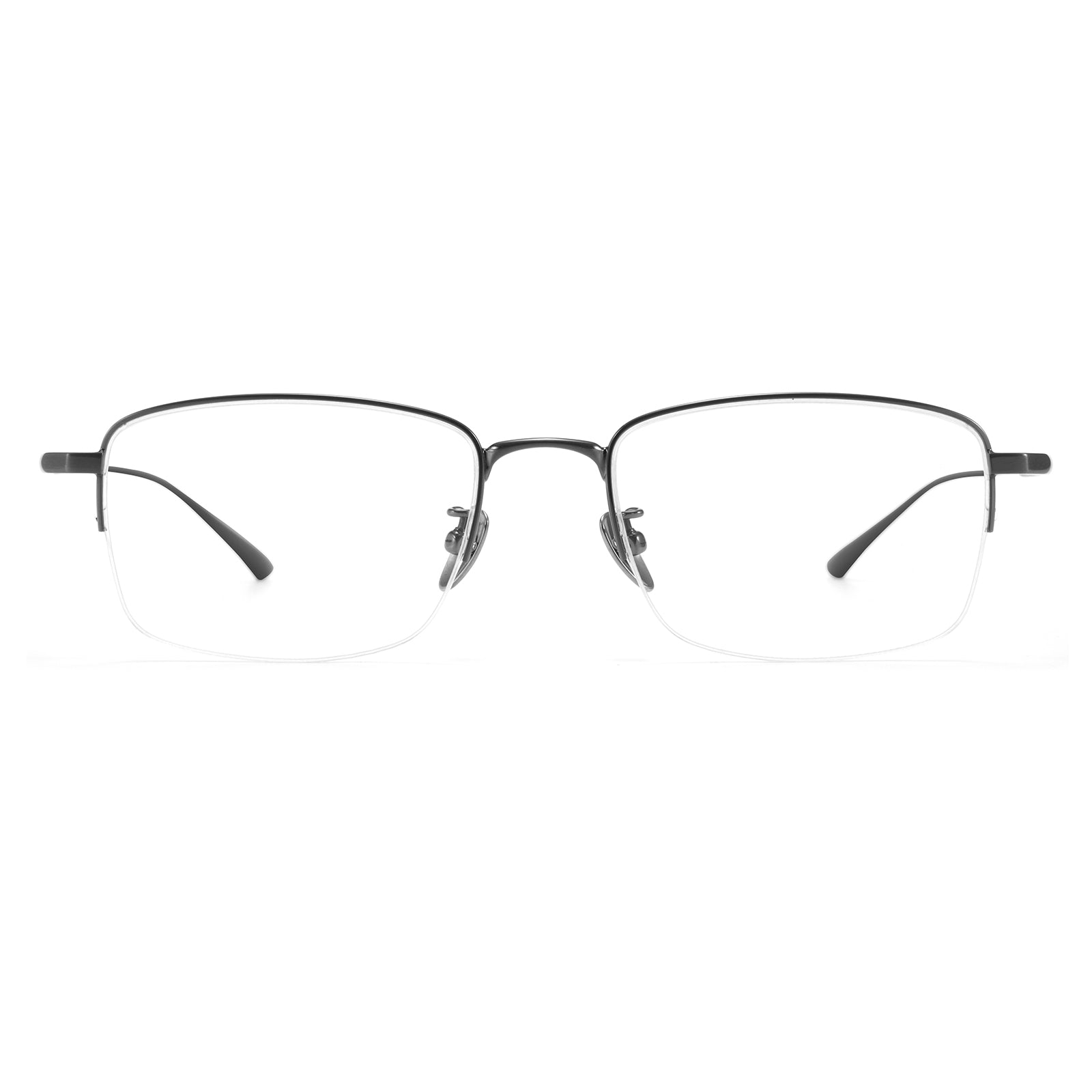
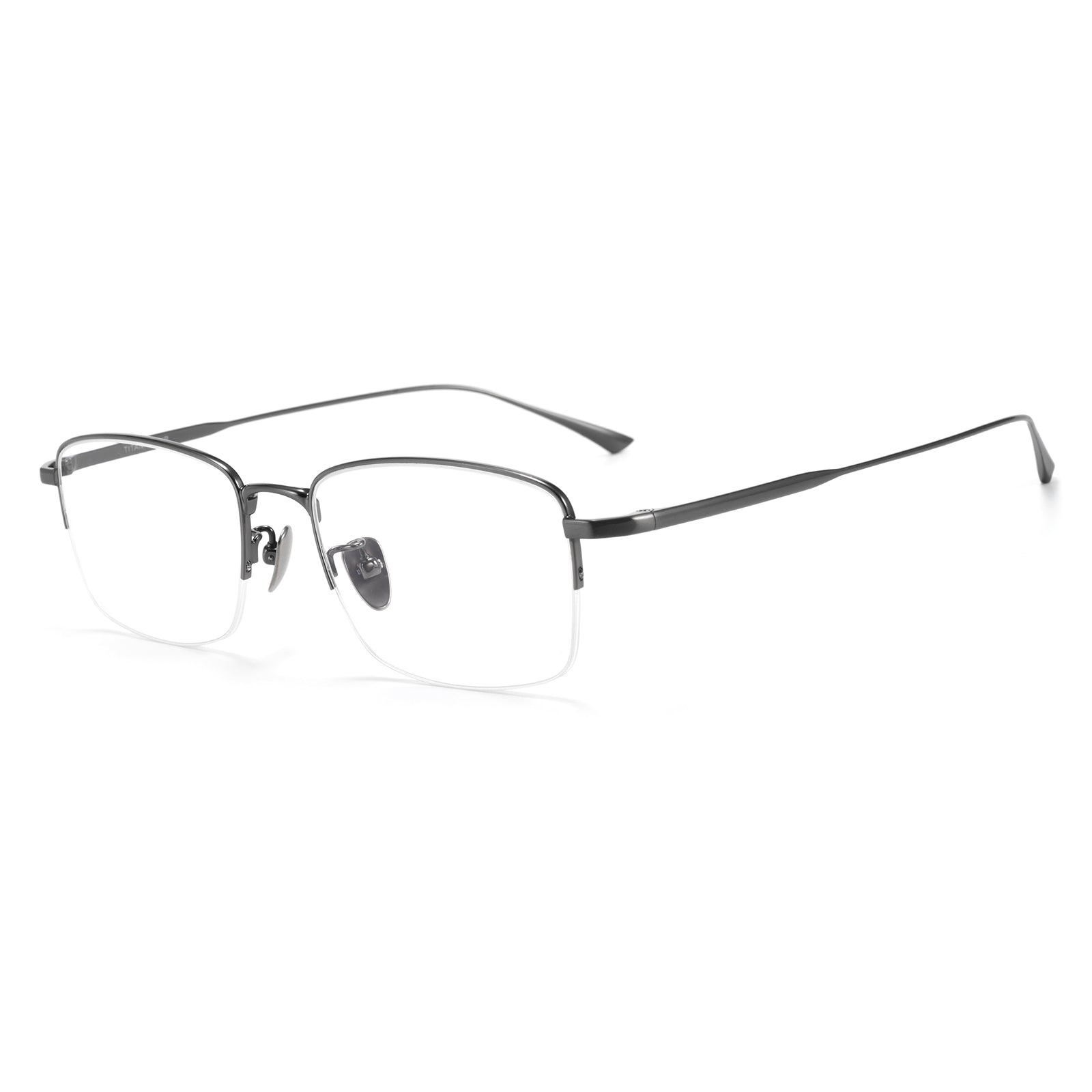
- Thin metal frames
- Rimless or semi-rimless styles
- People who want a more refined look
This option is often recommended when lens thickness becomes noticeable in normal frames.
1.74 Ultra Thin Lens
A 1.74 lens is one of the thinnest common lens options.
It is usually best for very strong prescriptions where lens thickness is a major concern.
Best for:
- High prescriptions
- Customers who want the thinnest possible look
- People who want to reduce lens bulk as much as possible
- Premium eyewear buyers
A 1.74 lens is not necessary for everyone. If your prescription is not very strong, you may not see a big enough difference to justify the extra cost.
Higher Index Does Not Always Mean Better
This is important: the highest lens index is not always the best choice for every person.
If your prescription is low, a 1.67 or 1.74 lens may not make a big visual difference. You may be paying more without getting much benefit.
The best lens index depends on:
- Your prescription
- Your frame size
- Your lens shape
- Your pupil distance
- Your lifestyle
- Your budget
- How thin you want your glasses to look
A good optical shop should not automatically push the most expensive lens. The right choice should match your actual needs.
Why Frame Size Affects Lens Thickness
Many customers think lens thickness only depends on prescription. That is not true.
Frame size also matters.
Larger frames often need larger lenses. Larger lenses may become thicker at the edges, especially for nearsighted prescriptions.
Smaller or medium-sized frames usually help reduce lens thickness.
This is why two people with the same prescription can end up with very different-looking glasses. One person may choose a large oversized frame and get thicker edges. Another person may choose a smaller frame and get a cleaner result.
If you want thinner-looking glasses, frame choice is just as important as lens index.
Why This Matters for Asian Fit and Low Bridge Fit Glasses
Many Asian customers in North America look for glasses that fit better on lower nose bridges.
Common problems include:
- Glasses sliding down
- Lenses touching cheeks
- Frames sitting too low
- Eyelashes touching the lenses
- Heavy glasses leaving nose marks
Asian fit and low bridge fit frames are designed to help with these issues.
But lens choice still matters.
If the lenses are too thick or heavy, the glasses may still feel uncomfortable. A better lens index can help reduce weight and make the frame feel more balanced.
This is especially useful for customers who wear glasses all day for work, school, driving, or screen time.
How to Choose the Right Lens Index
Here is a simple guide.
Choose 1.50 if:
Your prescription is low and you want the most affordable option.
Choose 1.56 / 1.57 if:
You want a small upgrade from standard lenses for daily comfort.
Choose 1.60 if:
You have a moderate prescription and want thinner lenses without going too premium.
Choose 1.67 if:
Your prescription is stronger and you want a noticeably thinner, cleaner look.
Choose 1.74 if:
Your prescription is high and you want the thinnest lens option available.
This is only a general guide. Your optician can help you choose the best option based on your actual prescription and frame.

Does Lens Index Affect Vision Quality?
Lens index mainly affects lens thickness and weight. Your prescription still controls how clearly you see.
However, higher index lenses are often paired with helpful coatings, such as:
- Anti-reflective coating
- Scratch-resistant coating
- UV protection
- Blue light filtering
- Easy-clean coating
These coatings can make your glasses more comfortable for daily use, especially if you spend long hours on screens or drive at night.
Is a Higher Index Lens Worth It?
A higher index lens may be worth it if:
- Your lenses usually look thick
- Your glasses feel heavy
- You want a cleaner side profile
- You wear your glasses all day
- You want thinner lenses in a stylish frame
- You have a stronger prescription
It may not be worth it if:
- Your prescription is very low
- You only wear the glasses occasionally
- Your frame is already small
- The thickness difference is barely noticeable
The goal is not to buy the highest number. The goal is to choose the lens that makes your glasses comfortable, good-looking, and practical for your daily life.
Simple Example
Imagine two customers choose the same frame.
One chooses a 1.50 lens.
The other chooses a 1.67 lens.
If their prescription is strong, the 1.67 lens will usually look thinner and feel lighter. The edges may be less noticeable, and the glasses may sit more comfortably on the face.
But if their prescription is very low, the difference may be small.
That is why your prescription matters so much when choosing lens index.
Final Recommendation
If you are choosing new glasses and feel unsure about lens index, do not worry. Most people are confused by these numbers at first.
Here is the easiest way to think about it:
Higher index = thinner lens.
Stronger prescription = more reason to consider higher index.
Better frame choice = better final result.
For many Asian fit and low bridge fit customers, the right lens index can make glasses feel lighter, sit better, and look more natural.
The best choice is the one that matches your prescription, your frame, and how you wear your glasses every day.
Visit our optical team for a personalized lens recommendation. We will help you choose lenses that look good, feel comfortable, and fit your lifestyle.
FAQ
What does lens index mean?
Lens index tells you how thin a lens can be. A higher index number usually means the lens can be made thinner for the same prescription.
Is 1.67 better than 1.60?
1.67 is usually thinner than 1.60, but it is not always necessary. If your prescription is moderate, 1.60 may be enough. If your prescription is stronger, 1.67 may be a better choice.
Do I need 1.74 lenses?
You may need 1.74 lenses if your prescription is high and you want the thinnest possible lens. For low or moderate prescriptions, 1.74 may not make a big enough difference.
Are high index lenses good for Asian fit glasses?
Yes, they can be helpful. Asian fit and low bridge fit frames are designed for better comfort, and thinner lenses can help reduce weight and improve balance.
Will thinner lenses make my glasses lighter?
Usually, yes. Thinner lenses often reduce bulk and weight, especially for stronger prescriptions.
Can frame choice make lenses thinner?
Yes. Smaller and better-fitted frames can help reduce lens thickness. Large oversized frames often make lenses look thicker.
Choose the Frame and Lens Together
Lens index is only one part of the result. Frame width, lens height, shape, prescription, and pupillary distance can also change the finished lens thickness and weight.
- Compare GOODLUUK lens options
- Learn how to read your eyeglass prescription
- Measure your pupillary distance at home
- Shop prescription-ready eyeglasses
If you are unsure which index suits your prescription and frame, upload your current prescription during checkout or contact the GOODLUUK optical team before ordering.