What Is PD in Glasses and Why Does It Matter?
If you are ordering prescription glasses online, you may see a field called PD. For many first-time buyers, this is one of the most confusing parts of the order form.
The good news is simple: PD is not complicated. It is just the distance between your two pupils, measured in millimeters.
PD helps make sure your lenses are lined up correctly with your eyes. When your PD is right, your glasses are more likely to feel natural, clear, and comfortable.
What Does PD Mean?
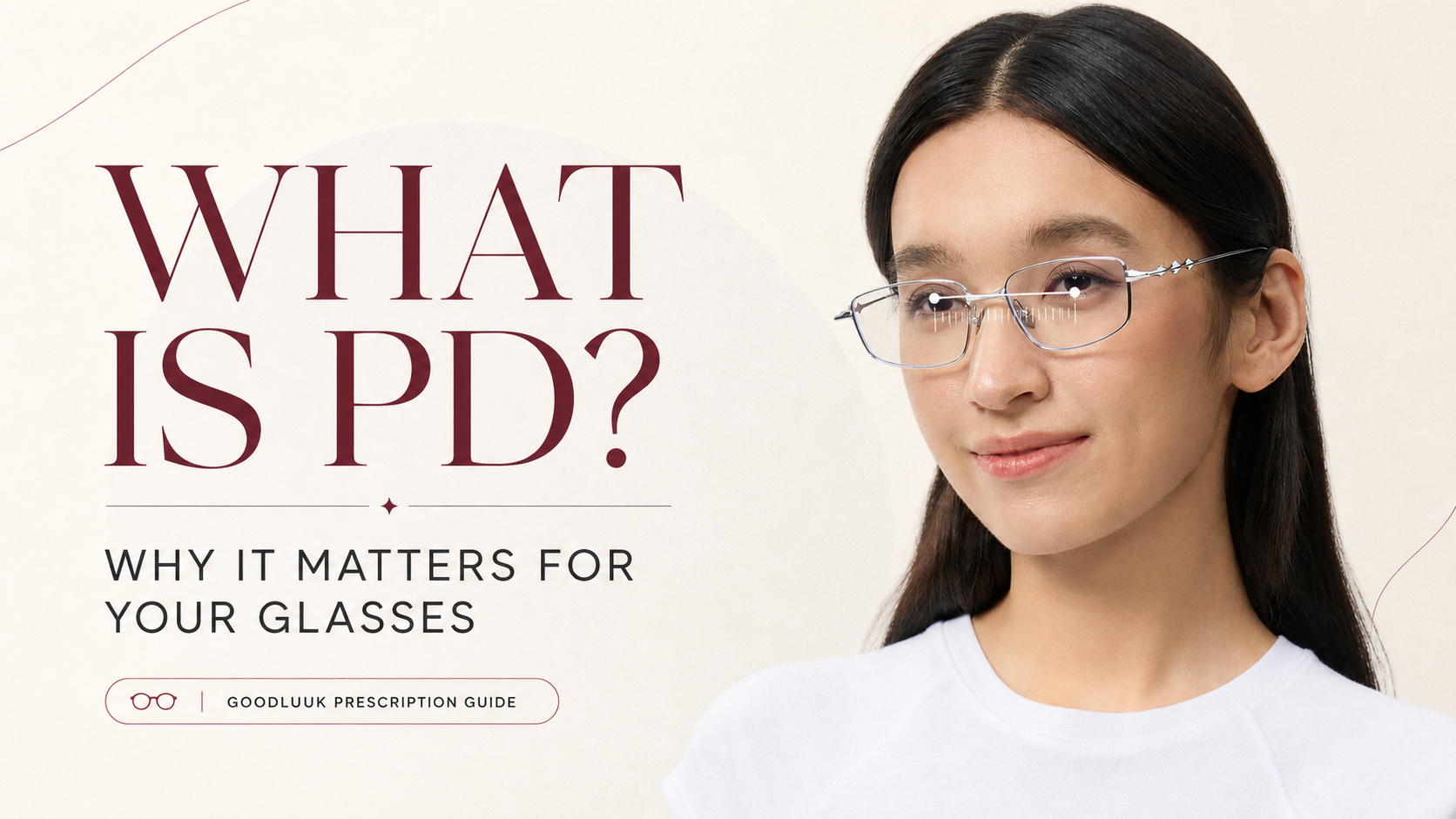
PD stands for pupillary distance.
In simple words, it means the distance from the center of one pupil to the center of the other pupil.
Your pupils are the dark circles in the center of your eyes. When glasses are made, your PD helps the lens maker place the clearest part of each lens in the right position.
Think of it like lining up a camera lens. If the lens is centered correctly, the image feels clear. If it is not centered well, things may feel uncomfortable or slightly off.
Why Is PD Important for Glasses?
PD matters because your eyes need to look through the right part of the lenses.
Even if your prescription numbers are correct, your glasses may not feel right if the PD is wrong. You may feel like you are working harder to see clearly.
A correct PD can help with:
- Clearer vision
- More comfortable glasses
- Better lens alignment
- An easier adjustment to new glasses
- Better results when ordering prescription glasses online
PD is especially important for stronger prescriptions, progressive lenses, and glasses you plan to wear all day.
Where Can I Find My PD?
Your PD may be written on your glasses prescription, but it is not always included.
You may find it listed as:
- PD
- Pupillary Distance
- Distance PD
- Near PD
- Dual PD
If you do not see PD on your prescription, you can ask your eye doctor or optical shop for it.
If you are ordering glasses online and do not know your PD, do not guess. A small mistake can make your glasses feel less comfortable.
Single PD vs Dual PD
Your PD may be written as one number or two numbers.
Single PD
A single PD is one number, such as 62 mm.
This means the total distance between the center of your right pupil and the center of your left pupil is 62 mm.
Dual PD
A dual PD has two numbers, such as 31 / 31.
This means the distance from the center of your nose to each pupil is measured separately.
Dual PD can be helpful because many people’s eyes are not perfectly even on both sides. One side may be slightly different from the other, and that is normal.
Distance PD vs Near PD
You may also see distance PD and near PD.
Distance PD is usually used for glasses that help you see far away, such as everyday distance glasses.
Near PD is usually used for reading glasses or close-up work.
If you are not sure which one to use, ask the optical team before ordering. The right PD depends on the type of lenses you are buying.
What Happens If My PD Is Wrong?
If your PD is not accurate, your glasses may still look normal, but they may not feel right when you wear them.
Possible problems include:
- Blurry or uncomfortable vision
- Eye strain
- Headaches
- Difficulty adjusting to new glasses
- A feeling that the lenses are not centered correctly
This does not mean every small difference will cause a problem, but it does mean PD is worth checking carefully.
Is PD More Important for Progressive Lenses?
Yes, PD is especially important for progressive lenses.
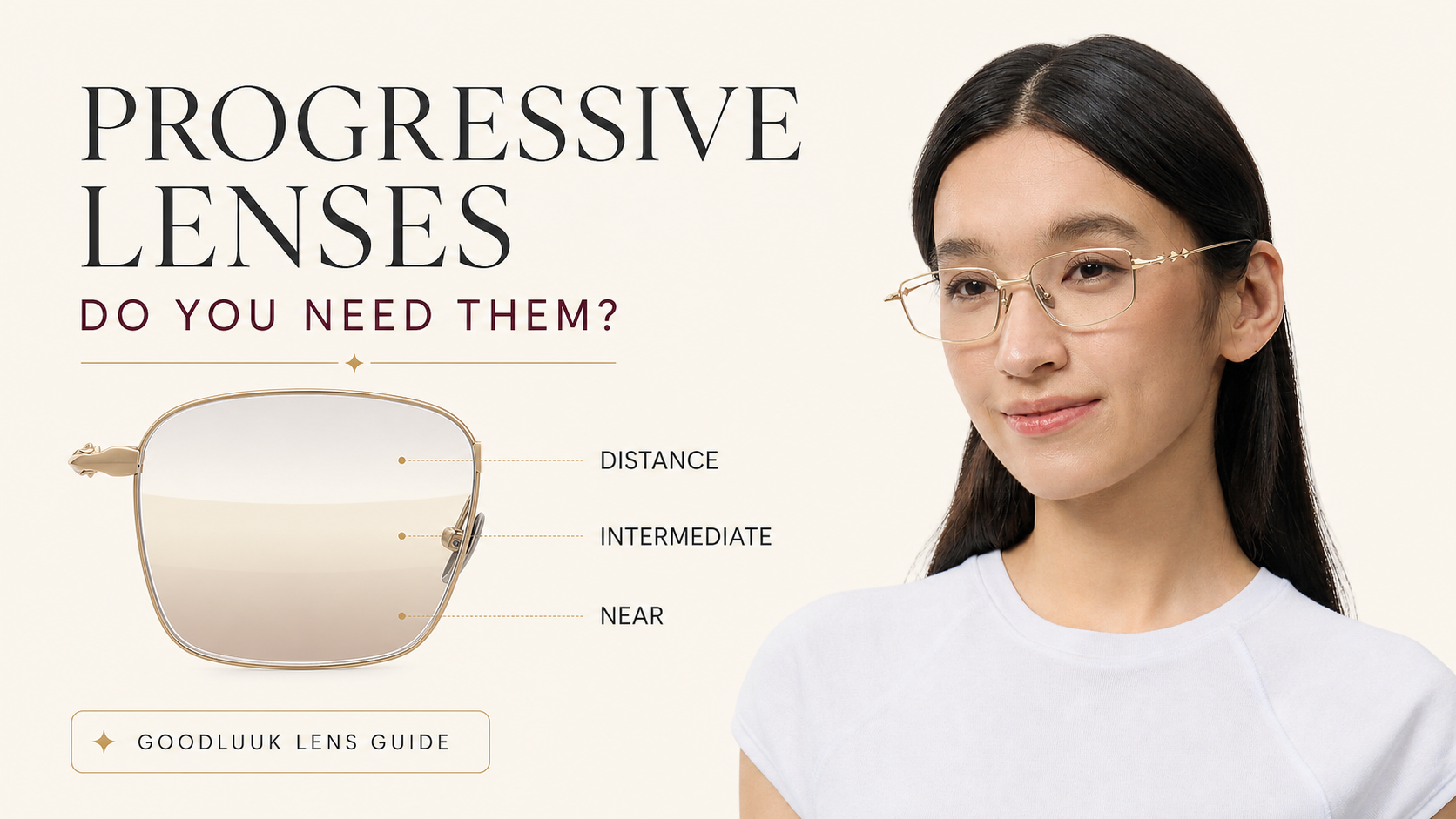
Progressive lenses help you see at different distances, such as far away, computer distance, and reading distance. Because the lens has different viewing areas, the measurements need to be more precise.
If you are ordering progressive lenses, make sure your PD is accurate. You may also need extra fitting measurements depending on the frame and lens type.
Does PD Matter for Low Bridge Fit or Asian Fit Glasses?
Yes, PD still matters for low bridge fit and Asian fit glasses.
Asian fit and low bridge fit frames are designed to sit better on faces where regular frames may slide down, touch the cheeks, or sit too low.
But even if the frame fits well, the lenses still need to line up with your eyes. A good frame fit and a correct PD work together.
For the best result, choose a frame that fits your face well and make sure your PD is entered correctly.
Can I Measure My PD at Home?
You can measure PD at home, but you should do it carefully.
The easiest way is to ask another person to help you measure. You can also use an online PD tool if your eyewear store provides one.
If you measure it yourself, take the measurement more than once. If the numbers are different each time, ask an optical professional for help.
For stronger prescriptions or progressive lenses, it is better to use a professionally measured PD when possible.
Simple PD Example
Here are two common ways PD may appear:
| PD Type | Example | What It Means |
|---|---|---|
| Single PD | 62 mm | Total distance between both pupils |
| Dual PD | 31 / 31 | Right and left side measured separately |
| Uneven Dual PD | 30 / 32 | One side is slightly different from the other |
If your order form asks for one PD number, enter your single PD. If it asks for right PD and left PD, enter your dual PD numbers.
Before You Order Glasses Online
Before placing your order, check these details:
- Your prescription is still valid
- Your right eye and left eye numbers are entered correctly
- Your SPH, CYL, AXIS, and ADD are copied exactly as written
- Your PD is included
- You chose the right lens type
- Your frame size works for your face and prescription
If anything looks confusing, do not guess. Upload your prescription or contact our team before ordering.
Final Thoughts
PD may look like a small number, but it plays an important role in how your glasses feel.
It helps place your lenses correctly in front of your eyes. When your PD is right, your glasses are more likely to feel clear, balanced, and comfortable.
If you do not know your PD, ask your eye doctor, optical shop, or our team for help. Getting this number right can make your online glasses order much easier.
Measure and Enter Your PD Carefully
This article explains what PD means. When you are ready to measure it, follow the dedicated step-by-step guide and repeat the measurement before submitting an order.
- Learn how to measure PD at home
- Learn how to read an eyeglass prescription
- Understand progressive lenses
- Shop prescription-ready eyeglasses
For progressive lenses, stronger prescriptions, or measurements you are not confident about, use a current professional measurement rather than guessing.
FAQ
What does PD mean in glasses?
PD means pupillary distance. It is the distance between the centers of your pupils, measured in millimeters.
Why do I need PD when ordering glasses?
PD helps place the clearest part of each lens in front of your eyes. This helps your glasses feel more natural and comfortable.
Can I order glasses without PD?
It is better not to order prescription glasses without PD. If you do not know your PD, ask your eye doctor, optical shop, or eyewear provider for help.
What is the difference between single PD and dual PD?
Single PD is one total number between both pupils. Dual PD gives separate right and left measurements from the center of your nose to each pupil.
Is PD important for progressive lenses?
Yes. PD is especially important for progressive lenses because the lenses have different viewing areas for distance, computer use, and reading.
Can I measure my PD at home?
You can measure PD at home, but it should be done carefully. For stronger prescriptions or progressive lenses, a professional measurement is usually better.